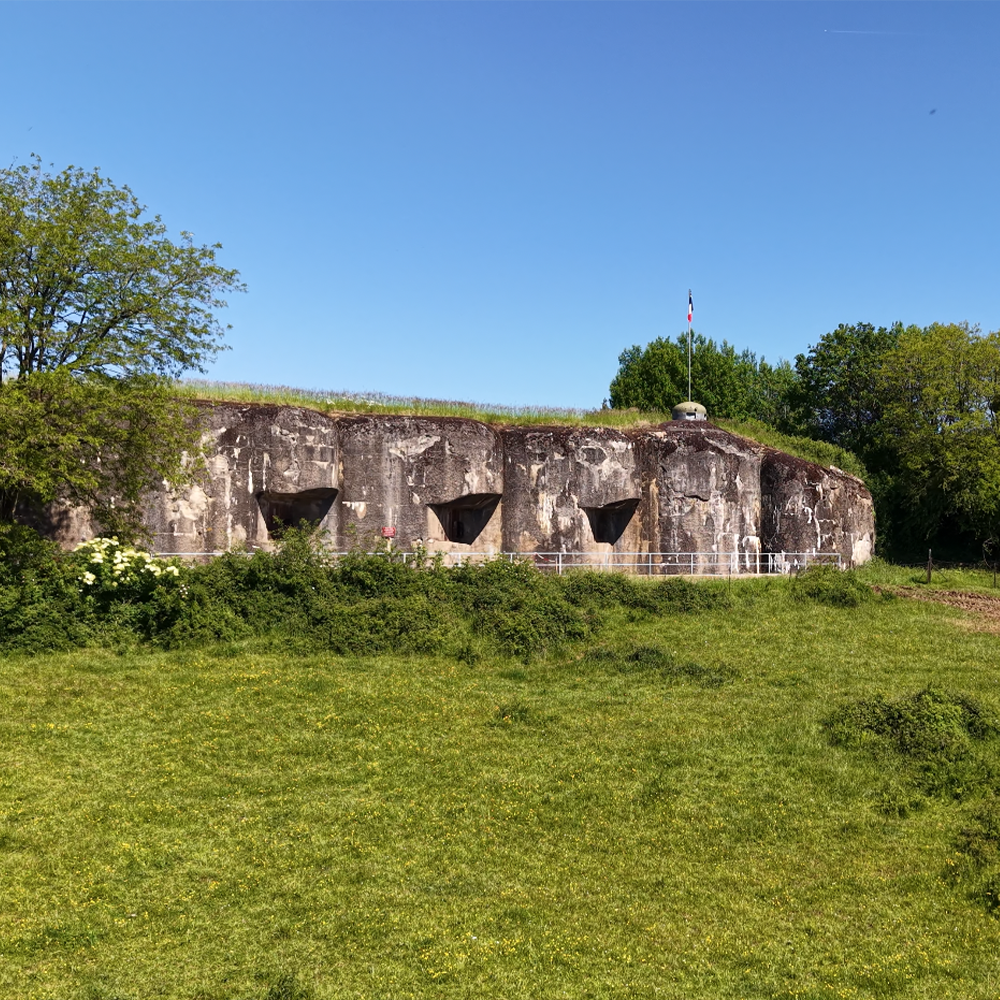








Origin of Fort du Fort de Fermont
The origins of the Maginot Line

Why was the Fort de Fermont built?
Fort de Fermont originated in the particularly tense atmosphere of the post-First World War period. Following the extensive destruction of the 1914-1918 conflict and in the face of the threat of a new German invasion, France decided to permanently strengthen the protection of its eastern borders.
It is in this context that the famous Maginot Line is conceived, a gigantic system of military fortifications built during the 1930s to protect France against an attack from Germany. This defensive line owes its name to André Maginot, Minister of War who supported the project's funding.
Fort de Fermont is one of the major works of this strategic defence line.

The birth of the Fermont Work
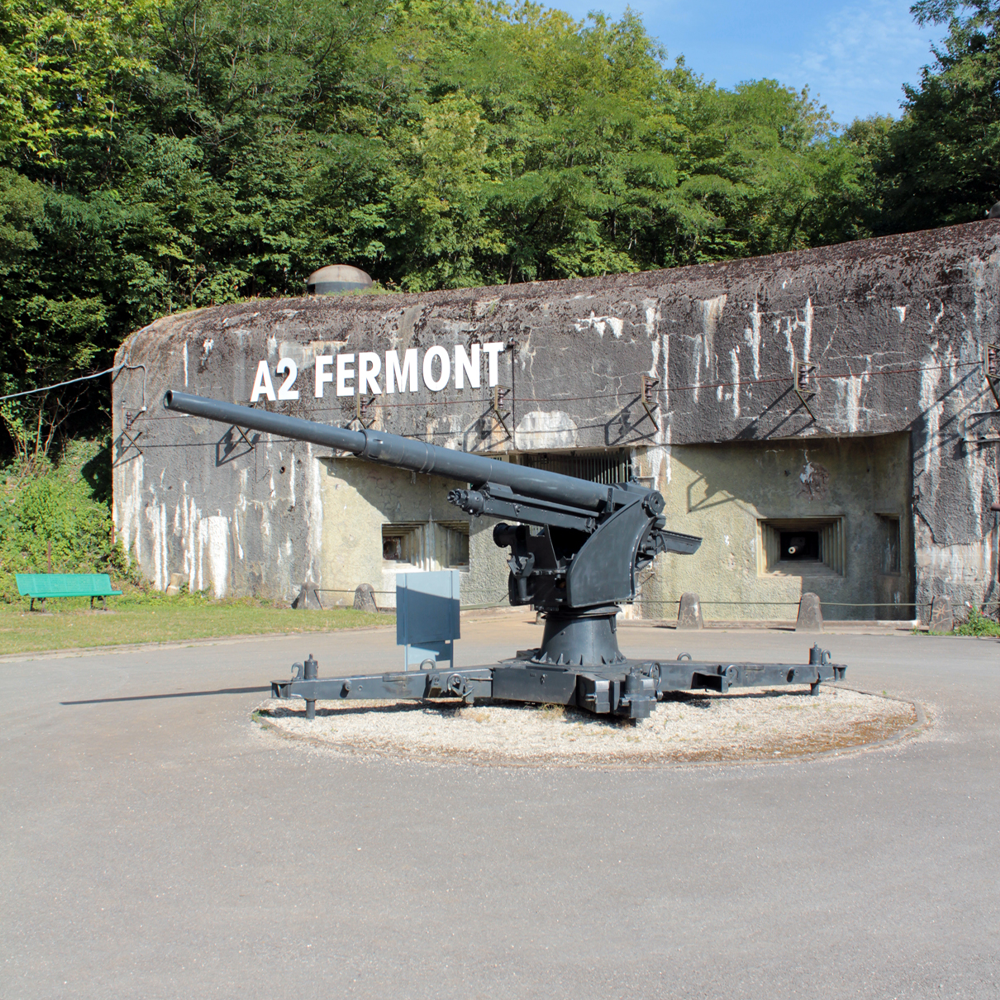
The Fermont Work, also known as Work A2, was built between 1931 and 1935 in the fortified sector of Crusnes, in Meurthe-et-Moselle.
The fort's plans were drawn up at the beginning of 1931 by CORF (Commission d’Organisation des Régions Fortifiées), the organisation responsible for designing the Maginot Line fortifications. Work began immediately after the project was validated.
The objective of the Fort de Fermont was clear:
- defend the northeastern border of France,
- prevent an enemy breakthrough,
- protect the local populations,
- to slow down a German offensive,
- support the other works of the Maginot Line.
The fort then occupied a strategic position between several other major military installations of the Maginot Line.
A gigantic underground fort
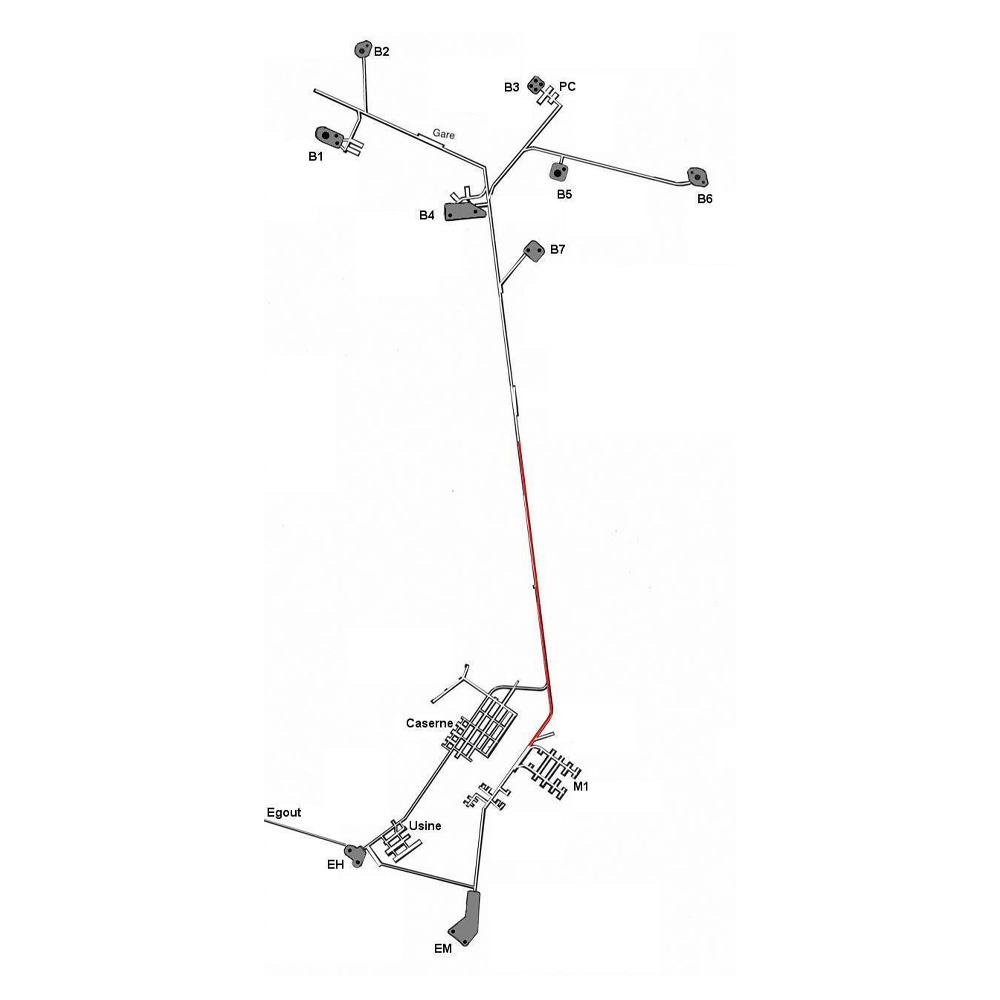
The Fort de Fermont is designed as a “large artillery work,” meaning a military fortress capable of operating autonomously for several weeks in the event of war.
The work comprises:
- 7 combat blocks built,
- deep underground galleries,
- a power station,
- barracks,
- ammunition shops,
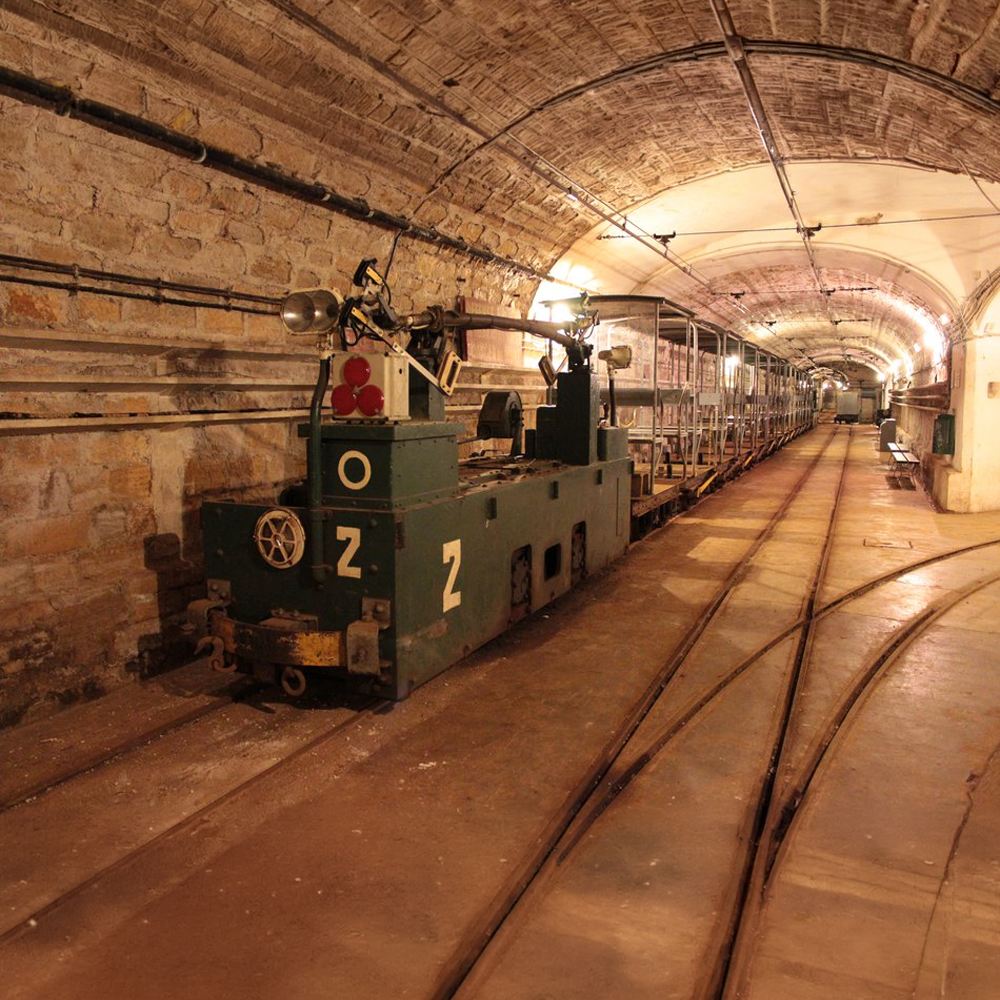
- a military railway network,
- air ventilation and filtration systems.
Initially, 9 blocks were planned in the original project, but several elements will ultimately be abandoned for budgetary and strategic reasons.
The main galleries, situated up to 30 metres underground, connect the different parts of the fort using a rail system for the transport of ammunition and military equipment.
Fort de Fermont in the Second World War
When the Second World War broke out in 1939, Fort de Fermont was immediately mobilised. More than 550 soldiers and 19 officers took up positions in the fortress to ensure the defence of the sector.
For several months, the sector remained relatively quiet during the period known as the “Phoney War”. However, in June 1940, fighting intensified around the fortification. German troops launched a fierce attack on the sector and the fort endured several significant bombardments.
Despite these attacks, the Fort de Fermont held out until the armistice of 22 June 1940 and remained considered undefeated. Even today, the impacts of the fighting are visible on some of the fort's structures.
From military fort to historical museum
After the war, Fort de Fermont was repaired and then reused during the early Cold War before being gradually abandoned by the French army.
In 1977, the ouvrage finally opened to the public thanks to the efforts of enthusiasts who came together within the Association des Amis de l’Ouvrage de Fermont et de la Ligne Maginot. Since then, the site has become one of the largest museums dedicated to the Maginot Line and the Second World War in France.
Today, Fort Fermont welcomes visitors to discover:
- the underground galleries,
- the combat blocks,
- The historic military train,
- original equipment,
- the Maginot Line Museum,
- one of the largest collections of Second World War artillery pieces in France.
An exceptional witness to French history
The Fort de Fermont represents far more than a simple military fortification today. It is an exceptional testament to French military history, the Maginot Line, and the events of the Second World War.
Thanks to the work of volunteers and enthusiasts who have maintained the site for several decades, the fort continues to pass on the memory of the fortress soldiers and the history of this immense defensive line built to protect France.